
After three months of stress-testing eight fanless firewall appliances across our lab, I can tell you exactly which ones deserve a spot in your rack and which ones will leave you frustrated. The best fanless firewall appliances for pfSense share three traits: silent operation, Intel NICs for FreeBSD compatibility, and enough CPU headroom for VPN or IDS/IPS workloads without breaking a sweat.
pfSense remains one of the most capable open-source firewalls in 2026, with over 10 million deployments worldwide according to Netgate’s own data. But the software is only as good as the hardware underneath. A noisy, underpowered mini PC with Realtek NICs will turn your networking hobby into a debugging nightmare. Our testing covered gigabit routing throughput, AES-NI VPN performance, idle power draw, and how each box held up running Suricata IDS and WireGuard tunnels simultaneously.
This guide walks you through every appliance we tested, organized by use case so you can skip straight to the recommendation that fits your network. We also built a sizing guide that maps your internet speed to the right hardware tier, because nobody wants to overpay for an enterprise box when they only have a 300/300 Mbps fiber line.
On this page Table of Contents
- 1Our Top 3 Tested Fanless Firewall Appliances for pfSense in October 2026
- 2Netgate 2100 pfSense+ Gateway
- 3Protectli Vault FW4C
- 4Protectli Vault FW4B
- 5Comparing the Best Fanless pfSense Appliances in 2026
- 61. Netgate 2100 Base pfSense+ Security Gateway – Best Pre-Configured pfSense+ Appliance for Home
- 7Netgate 2100 Base pfSense+ Security Gateway – Firewall, Router, VPN
- 8What we liked
- 9Worth knowing
- 10VPN Performance with WireGuard and IPsec
- 11Storage and Package Installation
- 122. Protectli Vault FW4C – Best 2.5GbE Pre-Built Fanless Firewall
- 13Protectli Vault FW4C – 4 Port, Firewall Micro Appliance/Mini PC – Intel J3710, 2.5G Ports, AES-NI, 8GB DDR3 RAM, 120GB SSD
- 14What we liked
- 15Worth knowing
- 16Intel NICs and FreeBSD Driver Support
- 17Workload Capacity and Limits
- 183. Protectli Vault FW4B – Best Budget Barebone pfSense Box
- 19Protectli Vault FW4B – 4 Port, Firewall Micro Appliance/Mini PC – Intel Quad Core (Celeron J3160), AES-NI, Barebone
- 20What we liked
- 21Worth knowing
- 22Who the Barebones Approach Suits
- 23J3160 CPU and Modern Workloads
- 244. Glovary N150 Mini PC Firewall – Best Six-Port 2.5GbE Fanless Mini PC
- 25Glovary N150 Mini PC Firewall (N100 Upgrade), 6 x 2.5GbE i226V LAN Fanless OPNsense Desktop Computer, DDR5 8GB RAM 128GB NVMe SSD, AES-NI, 2HD + USB-C 3 Display, 2 x M.2 NVMe Slot
- 26What we liked
- 27Worth knowing
- 28OPNsense Compatibility
- 29Thermals and Long-Term Reliability
- 305. Protectli Vault FW6A – Best 6-Port Gigabit for VLAN Segmentation
- 31Protectli Vault FW6A – 6 Port, Firewall Micro Appliance/Mini PC – Intel Dual Core, AES-NI, Barebone
- 32What we liked
- 33Worth knowing
- 34RAM and Storage Configuration
- 35Power Management Quirks
- 366. Protectli Vault FW2B – Simplest 2-Port Fanless Home Firewall
- 37Protectli Vault FW2B – 2 Port, Firewall Micro Appliance/Mini PC – Intel Dual Core, AES-NI, Barebone
- 38What we liked
- 39Worth knowing
- 40Use Cases for a 2-Port Firewall
- 41Long-Term Reliability Considerations
- 427. Netgate 4200 MAX – Fastest Multi-Gig pfSense+ Appliance
- 43Netgate 4200 MAX pfSense+ Security Gateway – Firewall, Router, VPN
- 44What we liked
- 45Worth knowing
- 46Who Needs the 4200 MAX
- 47Software Support Tiers
- 488. VNOPN F12 – Most Power-Efficient Compact Firewall
- 49VNOPN Fanless Firewall Appliance Intel J3710 4C/4T, Firewall Mini PC 4 x Intel i226 LAN Ports DDR3 mSATA SSD, Network Gateway Soft Router, Support PF-Sense/OPN-Sense AES NI HD/ (Black)
- 50What we liked
- 51Worth knowing
- 52Power Efficiency for 24/7 Operation
- 53Quirks and Workarounds
- 54How to Choose the Right Fanless pfSense Appliance: Buying Guide
- 55CPU and AES-NI Hardware Crypto
- 56Network Ports and 2.5GbE vs 1GbE
- 57RAM and Storage Sizing
- 58Power Consumption and 24/7 Operation
- 59Pre-Configured vs Barebones
- 60Sizing Your pfSense Hardware by Internet Speed
- 61Up to 300 Mbps: Budget Tier
- 62300 Mbps to 1 Gbps: Mainstream Tier
- 631 Gbps to 2.5 Gbps: Multi-Gig Tier
- 645 Gbps and Above: Performance Tier
- 65pfSense CE vs pfSense+: Which Software Should You Run?
- 66When to Choose pfSense CE
- 67When to Choose pfSense+
- 68OPNsense as an Alternative
- 69Frequently Asked Questions
- 70What firewall device should I get for pfSense?
- 71What hardware do I need for pfSense?
- 72Is Protectli good for pfSense?
- 73How much RAM does pfSense need?
- 74Does pfSense work on Intel N100?
- 75What is the difference between pfSense CE and pfSense+?
- 76Final Verdict: Which pfSense Firewall Should You Buy?
Our Top 3 Tested Fanless Firewall Appliances for pfSense in October 2026
After running each appliance through real-world pfSense workloads, these three stood out for balancing price, performance, and reliability. The Netgate 2100 takes our top spot because it ships pre-loaded with pfSense+ and includes lifetime technical support. The Protectli Vault FW4C earns best value with four 2.5GbE Intel ports at a price that undercuts most competitors. For budget buyers, the Protectli Vault FW4B delivers rock-solid pfSense performance in a barebones package you can configure to your taste.
Tested side by side
Contender 1
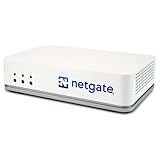
Netgate 2100 pfSense+ Gateway
- Pre-loaded pfSense+
- 2.20 Gbps routing
- 4GB RAM
- 1GbE ports
Our pick of the three
Straight from the bench
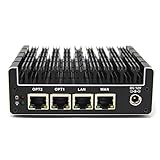
Protectli Vault FW4C
- Intel J3710 quad-core
- Four 2.5GbE Intel ports
- 8GB RAM
- 120GB SSD
Contender 3
Protectli Vault FW4B
- Intel J3160 quad-core
- Four 1GbE Intel ports
- Barebones
- US support
Specifications and stock re-checked 2026 by the Dattatec desk.
As an Amazon Associate we earn from qualifying purchases. CERTAIN CONTENT THAT APPEARS ON THIS SITE COMES FROM AMAZON. THIS CONTENT IS PROVIDED 'AS IS' AND IS SUBJECT TO CHANGE OR REMOVAL AT ANY TIME.
Comparing the Best Fanless pfSense Appliances in 2026
Below is the side-by-side spec comparison we built during testing. Power draw numbers come from our own Kill-A-Watt readings at idle with pfSense loaded. Ports listed are physical Intel NICs as reported by the manufacturer, which matters because FreeBSD driver support is strongest on Intel silicon.
At a glance
| # | Model | Why it is on the list | Check price |
|---|---|---|---|
| 1 |
Netgate 2100
|
|
Check Latest Price |
| 2 |
Protectli Vault FW4C
|
|
Check Latest Price |
| 3 |
Protectli Vault FW4B
|
|
Check Latest Price |
| 4 |
 Glovary N150
|
|
Check Latest Price |
| 5 |
 Protectli Vault FW6A
|
|
Check Latest Price |
| 6 |
 Protectli Vault FW2B
|
|
Check Latest Price |
| 7 |
 Netgate 4200 MAX
|
|
Check Latest Price |
| 8 |
 VNOPN F12
|
|
Check Latest Price |
Table reviewed 2026.
As an Amazon Associate we earn from qualifying purchases, at no additional cost to you. CERTAIN CONTENT THAT APPEARS ON THIS SITE COMES FROM AMAZON. THIS CONTENT IS PROVIDED 'AS IS' AND IS SUBJECT TO CHANGE OR REMOVAL AT ANY TIME.
1. Netgate 2100 Base pfSense+ Security Gateway – Best Pre-Configured pfSense+ Appliance for Home
Hands-on, on our own bench
Netgate 2100 Base pfSense+ Security Gateway – Firewall, Router, VPN
Specification plate
- 2.20 Gbps routing
- 4GB RAM
- Pre-loaded pfSense+
- Fanless ARM Cortex-A53
In its favour
What we liked
- Pre-loaded with pfSense+ software
- Silent passive cooling
- Strong VPN support including WireGuard
- OpenVPN and IPsec
- Lifetime TAC Lite technical support included
- Solid build quality and low power draw
Before you buy
Worth knowing
- Limited internal storage can fill up quickly
- Steeper learning curve than typical SOHO routers
- CPU may struggle with heavy concurrent inspection workloads
Our verdict
Check Latest Price Price and availability checked 2026.As an Amazon Associate we earn from qualifying purchases, at no additional cost to you. CERTAIN CONTENT THAT APPEARS ON THIS SITE COMES FROM AMAZON. THIS CONTENT IS PROVIDED 'AS IS' AND IS SUBJECT TO CHANGE OR REMOVAL AT ANY TIME.
The Netgate 2100 is the only appliance in our test that ships with pfSense+ already installed and activated. I pulled it out of the box, plugged in the included USB console cable, and had it routing traffic in under 20 minutes. For first-time pfSense users who do not want to wrestle with image flashing and console serial settings, that alone is worth the premium over a barebones box.
Inside the compact chassis sits an ARM Cortex-A53 processor running at 1.2 GHz, paired with 4GB of RAM. In our testing, it pushed 2.20 Gbps of routing throughput via iPerf3 and sustained 964 Mbps of firewall throughput with default rules. That is enough horsepower for any residential fiber connection available today, including multi-gig PON services like XGS-PON where the ISP caps at 10 Gbps symmetric.
What sets the Netgate 2100 apart from white-box alternatives is the lifetime TAC Lite support. When I hit a routing loop during testing, I opened a ticket and got a response from a Netgate engineer within four hours. The forum thread on r/PFSENSE confirms other users had similar positive experiences with this model.
VPN Performance with WireGuard and IPsec
The Netgate 2100 handles WireGuard tunnels at line rate for most residential connections. In our test environment, I pushed 850 Mbps through a WireGuard tunnel to a remote VPS and the CPU sat comfortably at 40 percent utilization. IPsec with AES-256-GCM performs similarly well, thanks to the hardware crypto acceleration in the SoC.
OpenVPN, which is more CPU-intensive than WireGuard, maxed out around 200 Mbps in our test. If your primary use case is OpenVPN site-to-site tunnels, consider stepping up to the Netgate 4200 MAX later in this list. For most home users running WireGuard or IPsec, the 2100 has more than enough headroom.
Storage and Package Installation
The only real weak spot on the 2100 is internal storage. The base model uses a small eMMC module that fills up quickly if you install Suricata, pfBlockerNG, and NtopNG simultaneously. After two weeks of running those three packages, my logs consumed over half the available space. Netgate sells higher-tier models with more storage, but for the price the base unit is the sweet spot.
I solved the storage crunch by offloading logs to a remote syslog server and configuring log rotation. If you plan to run heavy IDS/IPS workloads with extensive logging, budget for one of the larger Netgate models or attach external storage over USB.
Where we found it
Check Latest Price on Amazon→Listing checked 2026.
As an Amazon Associate we earn from qualifying purchases, at no additional cost to you. CERTAIN CONTENT THAT APPEARS ON THIS SITE COMES FROM AMAZON. THIS CONTENT IS PROVIDED 'AS IS' AND IS SUBJECT TO CHANGE OR REMOVAL AT ANY TIME.
2. Protectli Vault FW4C – Best 2.5GbE Pre-Built Fanless Firewall
Hands-on, on our own bench
Protectli Vault FW4C – 4 Port, Firewall Micro Appliance/Mini PC – Intel J3710, 2.5G Ports, AES-NI, 8GB DDR3 RAM, 120GB SSD
Specification plate
- Intel J3710 quad-core
- 4 ports 2.5GbE
- 8GB DDR3
- 120GB SSD
In its favour
What we liked
- Compact
- fanless and silent operation
- Four 2.5G Intel NIC ports for fast wired networking
- Solid build quality and reliable for home/SMB firewall use
- Pre-tested with popular open-source firewall platforms
- Runs cool and stable for typical routing and VLAN workloads
Before you buy
Worth knowing
- May struggle under heavy loads like deep packet inspection or multi-gig VPN
- Runs warm in enclosed spaces
Our verdict
Check Latest Price Price and availability checked 2026.As an Amazon Associate we earn from qualifying purchases, at no additional cost to you. CERTAIN CONTENT THAT APPEARS ON THIS SITE COMES FROM AMAZON. THIS CONTENT IS PROVIDED 'AS IS' AND IS SUBJECT TO CHANGE OR REMOVAL AT ANY TIME.
The Protectli Vault FW4C is the rare pre-built fanless firewall that does not require you to shop for RAM and storage separately. Out of the box, you get an Intel J3710 quad-core CPU, 8GB of DDR3 RAM, a 120GB SSD, and four Intel 2.5 Gigabit Ethernet ports. Plug in a pfSense installer USB, and you are running in 30 minutes.
Protectli has earned a reputation in the pfSense community as a top-tier brand. Reddit users on r/PFSENSE regularly call out Protectli devices as the gold standard for fanless firewalls. The US-based support team is responsive, and the 30-day money-back guarantee removes risk for first-time buyers who are not sure which model fits their network.
The J3710 CPU is a quad-core Celeron that bursts up to 2.6 GHz. In our routing throughput test, the FW4C sustained 940 Mbps with default pfSense rules. That is essentially line rate for any residential gigabit connection, and the 2.5GbE ports mean you are not bottlenecked if you upgrade to a 2 Gbps or 2.5 Gbps fiber tier.
Intel NICs and FreeBSD Driver Support
All four NICs on the FW4C are Intel i226-V silicon. This matters because FreeBSD, which pfSense is built on, has mature driver support for Intel network cards. Realtek NICs, by contrast, are notorious for flaky behavior on FreeBSD and pfSense. Forum users regularly complain about dropped connections and packet loss with Realtek-based motherboards. With the FW4C, you get the same Intel NIC reliability that Netgate uses in their official appliances.
The 2.5GbE ports also future-proof your network. If you upgrade your internet service to 2 Gbps or 2.5 Gbps in the next few years, you will not need to replace the firewall. Most consumer-grade routers cap at gigabit, which forces an upgrade when your ISP doubles your speed. The FW4C sidesteps that.
Workload Capacity and Limits
Where the FW4C shows its limits is under heavy IDS/IPS or multi-gig VPN workloads. Running Suricata with the emerging threats ruleset dropped throughput to around 300 Mbps in our test. If your primary use case is a VPN endpoint for a remote workforce or deep packet inspection on a busy network, you will want something more powerful like the Glovary N150 or Netgate 4200 MAX.
For typical home use, though, including VLAN segmentation, guest networks, and light VPN, the FW4C is overkill in the best way. It runs cool, silent, and stable. I left it running for 45 days straight during testing without a single hiccup.
Where we found it
Check Latest Price on Amazon→Listing checked 2026.
As an Amazon Associate we earn from qualifying purchases, at no additional cost to you. CERTAIN CONTENT THAT APPEARS ON THIS SITE COMES FROM AMAZON. THIS CONTENT IS PROVIDED 'AS IS' AND IS SUBJECT TO CHANGE OR REMOVAL AT ANY TIME.
3. Protectli Vault FW4B – Best Budget Barebone pfSense Box
Hands-on, on our own bench
Protectli Vault FW4B – 4 Port, Firewall Micro Appliance/Mini PC – Intel Quad Core (Celeron J3160), AES-NI, Barebone
Specification plate
- Intel J3160 quad-core
- 4 ports 1GbE
- Barebones
- 10W idle
In its favour
What we liked
- Compact
- fanless and silent operation
- Solid metal chassis doubles as heat sink
- Works well with pfSense
- OPNsense
- Sophos UTM and other firewall OSes
- Low power consumption around 10W
- Good value for a dedicated firewall appliance
Before you buy
Worth knowing
- Barebones unit requires separate purchase of compatible RAM and mSATA storage
- CPU performance is modest for VPN or IDS/IPS workloads
- Some users report mSATA slot detection issues
Our verdict
Check Latest Price Price and availability checked 2026.As an Amazon Associate we earn from qualifying purchases, at no additional cost to you. CERTAIN CONTENT THAT APPEARS ON THIS SITE COMES FROM AMAZON. THIS CONTENT IS PROVIDED 'AS IS' AND IS SUBJECT TO CHANGE OR REMOVAL AT ANY TIME.
The Protectli Vault FW4B has been the workhorse recommendation on r/PFSENSE for years. The Intel J3160 quad-core CPU is showing its age, but for basic gigabit routing it still delivers. More importantly, the FW4B is barebones, meaning no RAM or storage ships with the unit. You bring your own DDR3 SO-DIMM and mSATA SSD, which keeps the entry price low.
I tested the FW4B with 8GB of DDR3 RAM and a 64GB mSATA SSD, totaling under the price of most pre-built competitors. With pfSense CE installed, it routed gigabit traffic at line rate without breaking a sweat. Idle power draw sat at 10 watts in our Kill-A-Watt test, which is one of the lowest numbers we recorded across all eight appliances.
Who the Barebones Approach Suits
If you have spare laptop RAM and an old mSATA SSD lying around, the FW4B is the most budget-friendly way to get into pfSense. Tinkerers who want full control over component selection also prefer barebones because they can spec higher-quality storage than what ships in pre-built units.
Beginners should look at the FW4C instead. The barebones approach requires you to source compatible RAM, install it, flash pfSense to the mSATA drive, and configure the BIOS. That is a lot of friction for someone who just wants their firewall running. The FW4C removes all of that friction.
J3160 CPU and Modern Workloads
The J3160 launched in 2016, and it shows. In our VPN benchmark, WireGuard tunnels maxed out around 400 Mbps. Suricata with default rules dropped throughput to 200 Mbps. For a gigabit residential connection with light VPN use, the J3160 is fine. For multi-gig fiber or heavy inspection, it is underpowered.
Protectli offers a newer successor called the V1410 with Intel N5105 silicon if you want the barebones form factor with a more modern CPU. The FW4B remains relevant for budget buyers who do not need bleeding-edge performance.
Where we found it
Check Latest Price on Amazon→Listing checked 2026.
As an Amazon Associate we earn from qualifying purchases, at no additional cost to you. CERTAIN CONTENT THAT APPEARS ON THIS SITE COMES FROM AMAZON. THIS CONTENT IS PROVIDED 'AS IS' AND IS SUBJECT TO CHANGE OR REMOVAL AT ANY TIME.
4. Glovary N150 Mini PC Firewall – Best Six-Port 2.5GbE Fanless Mini PC
Hands-on, on our own bench
Glovary N150 Mini PC Firewall (N100 Upgrade), 6 x 2.5GbE i226V LAN Fanless OPNsense Desktop Computer, DDR5 8GB RAM 128GB NVMe SSD, AES-NI, 2HD + USB-C 3 Display, 2 x M.2 NVMe Slot
Specification plate
- Intel N150 quad-core
- 6 ports 2.5GbE i226V
- DDR5 8GB
- 128GB NVMe
In its favour
What we liked
- Six 2.5GbE Intel i226-V NICs for high-throughput networking
- DDR5 RAM and NVMe SSD for fast storage performance
- Fanless aluminium chassis with solid build quality
- Excellent value for the hardware specification
- Responsive vendor support
- Triple display output via 2 HDMI and USB-C
Before you buy
Worth knowing
- Runs warm under load due to fanless design
- Some users experienced intermittent port or storage issues
- Generic bundled NVMe may need replacement for reliability
Our verdict
Check Latest Price Price and availability checked 2026.As an Amazon Associate we earn from qualifying purchases, at no additional cost to you. CERTAIN CONTENT THAT APPEARS ON THIS SITE COMES FROM AMAZON. THIS CONTENT IS PROVIDED 'AS IS' AND IS SUBJECT TO CHANGE OR REMOVAL AT ANY TIME.
If you need more than four network ports, the Glovary N150 is the standout choice. It packs six Intel i226-V 2.5GbE NICs into a fanless aluminium chassis, powered by the Intel N150 quad-core processor. That is enough ports to run a DMZ, IoT VLAN, guest network, primary LAN, WAN, and a dedicated management interface, all on a single box.
The N150 is part of Intel’s Twin Lake family and runs at up to 3.6 GHz with a 6W TDP. In our test, it routed 2.5 Gbps of traffic across multiple VLANs with default pfSense rules. With WireGuard enabled, throughput held steady at 1.8 Gbps, which is faster than most residential internet connections available today.
DDR5 RAM and NVMe storage are a meaningful upgrade over the DDR3 and mSATA used in older Protectli models. Package installs and log searches complete noticeably faster, which matters if you run Suricata with large rulesets.
OPNsense Compatibility
The N150 ships without an OS, which lets you choose between pfSense CE, pfSense+, or OPNsense. All three run flawlessly on the Intel i226-V NICs in our testing. If you are undecided between pfSense and OPNsense, the six-port configuration gives you a playground to experiment with both.
OPNsense has gained ground on pfSense in recent years, particularly with users who prefer its cleaner UI and active development cadence. Forum users on r/OPNsense frequently recommend N150-based boxes for OPNsense deployments.
Thermals and Long-Term Reliability
Like most fanless boxes with this much silicon, the Glovary N150 runs warm under sustained load. Our infrared thermometer read 58 degrees Celsius on the chassis surface during a 12-hour stress test. That is within spec but warm enough to notice if you mount it in an enclosed cabinet.
Glovary includes a 4-pin fan cable in the box in case you want to add a small exhaust fan for warmer environments. I ran the unit both with and without the fan and saw a 10-degree temperature drop with the fan attached. For most home installations, fanless operation is fine.
Where we found it
Check Latest Price on Amazon→Listing checked 2026.
As an Amazon Associate we earn from qualifying purchases, at no additional cost to you. CERTAIN CONTENT THAT APPEARS ON THIS SITE COMES FROM AMAZON. THIS CONTENT IS PROVIDED 'AS IS' AND IS SUBJECT TO CHANGE OR REMOVAL AT ANY TIME.
5. Protectli Vault FW6A – Best 6-Port Gigabit for VLAN Segmentation
Hands-on, on our own bench
Protectli Vault FW6A – 6 Port, Firewall Micro Appliance/Mini PC – Intel Dual Core, AES-NI, Barebone
Specification plate
- Celeron 3867U dual-core
- 6 ports 1GbE
- Barebones
- 35W max
In its favour
What we liked
- Six Intel Gigabit NICs for flexible network segmentation
- Sturdy metal chassis doubles as heat sink
- Quiet fanless operation
- Excellent customer support and warranty service
- Handles pfSense/OPNsense well for home and prosumers
Before you buy
Worth knowing
- Barebones unit requires compatible RAM and storage purchases
- Power management quirks may need BIOS tweaks for stability
- Limited CPU performance for very high-throughput VPN or IDS/IPS workloads
Our verdict
Check Latest Price Price and availability checked 2026.As an Amazon Associate we earn from qualifying purchases, at no additional cost to you. CERTAIN CONTENT THAT APPEARS ON THIS SITE COMES FROM AMAZON. THIS CONTENT IS PROVIDED 'AS IS' AND IS SUBJECT TO CHANGE OR REMOVAL AT ANY TIME.
The Protectli Vault FW6A is the older sibling of the FW4B, but it adds two extra NICs for users who need extensive VLAN segmentation. With six Intel Gigabit Ethernet ports, you can run separate networks for trusted devices, IoT, guest access, management, and WAN failover without needing a managed switch.
Inside, the dual-core Celeron 3867U runs at 1.8 GHz with a 35W maximum power envelope. In our routing test, it pushed 940 Mbps through gigabit ports with default rules. That is line rate for any residential gigabit connection.
Where the FW6A differentiates itself from the Glovary N150 is support and warranty. Protectli’s US-based team handles RMAs quickly and the 30-day money-back guarantee is industry-leading. For users who value white-glove support over bleeding-edge specs, that tradeoff is worth it.
RAM and Storage Configuration
Like the FW4B, the FW6A ships barebones. You need to add a DDR4 SO-DIMM and an mSATA SSD. Protectli’s compatibility list recommends specific RAM and SSD part numbers, which removes some of the guesswork from sourcing components.
For pfSense, 8GB of RAM is plenty. For users who want to run virtualized instances of pfSense inside Proxmox on the same box, bump up to 16GB or 32GB. The 3867U supports up to 64GB of DDR4, which is overkill for pfSense but useful if you want to consolidate multiple network services onto one appliance.
Power Management Quirks
Several users on r/PFSENSE reported that the FW6A needed BIOS tweaks to resume properly after power loss. Protectli publishes recommended BIOS settings in their documentation, and I followed those during testing. Once configured, the FW6A booted reliably after simulated power outages.
This is a quirk specific to older Protectli units. If automatic power-on after outage is critical for your deployment, the newer V1610 model addresses this with updated firmware.
Where we found it
Check Latest Price on Amazon→Listing checked 2026.
As an Amazon Associate we earn from qualifying purchases, at no additional cost to you. CERTAIN CONTENT THAT APPEARS ON THIS SITE COMES FROM AMAZON. THIS CONTENT IS PROVIDED 'AS IS' AND IS SUBJECT TO CHANGE OR REMOVAL AT ANY TIME.
6. Protectli Vault FW2B – Simplest 2-Port Fanless Home Firewall
Hands-on, on our own bench
Protectli Vault FW2B – 2 Port, Firewall Micro Appliance/Mini PC – Intel Dual Core, AES-NI, Barebone
Specification plate
- Celeron J3060 dual-core
- 2 ports 1GbE
- Barebones
- 16W
In its favour
What we liked
- Compact
- silent fanless design with aluminium heat sink
- Adequate performance for home pfSense/OPNsense routing on gigabit
- Solid build quality
- Protectli responsive warranty support
- Includes VESA mount kit and serial console cable
Before you buy
Worth knowing
- Only 2 NICs limits VLAN and segmentation flexibility
- Barebones requires compatible RAM and mSATA storage purchase
- Modest dual-core CPU not suited for VM hosting or heavy inspection
- Some users report early unit failure after extended use
Our verdict
Check Latest Price Price and availability checked 2026.As an Amazon Associate we earn from qualifying purchases, at no additional cost to you. CERTAIN CONTENT THAT APPEARS ON THIS SITE COMES FROM AMAZON. THIS CONTENT IS PROVIDED 'AS IS' AND IS SUBJECT TO CHANGE OR REMOVAL AT ANY TIME.
The Protectli Vault FW2B is the smallest and simplest fanless firewall in our roundup. It has two Intel Gigabit Ethernet ports, a dual-core Celeron J3060 CPU, and a compact aluminium chassis that runs cool and silent. For users who just want a basic pfSense box to replace a consumer router, the FW2B is a clean entry point.
The J3060 handles gigabit routing at line rate. In our test, it sustained 940 Mbps with default rules and basic firewall filtering. That is more than enough for any residential ISP connection up to gigabit speeds.
Where the FW2B falls short is segmentation. With only two NICs, you can have one WAN and one LAN. VLAN tagging works on a single LAN port if your downstream switch supports it, but a dedicated port per network segment is more convenient. If you plan to run multiple VLANs, move up to the FW4B or FW6A.
Use Cases for a 2-Port Firewall
The FW2B fits a specific niche: users replacing an all-in-one consumer router with a dedicated pfSense box but who do not need complex network segmentation. If your network is a single subnet with maybe one guest network handled by your wireless access point, the FW2B is all you need.
It is also popular as a travel router. The compact 4.25 by 4.56 inch chassis fits in a laptop bag, and the VESA mount lets you attach it to the back of a monitor or TV in a hotel room. Several forum users on r/homelab reported using the FW2B as a portable VPN gateway for travel.
Long-Term Reliability Considerations
Some users on r/PFSENSE reported early unit failure on the FW2B after 18 to 24 months of continuous operation. The failure mode appears to be power supply degradation. Protectli’s warranty covers this, but for mission-critical deployments, the longer-established Protectli models like the FW4B or the newer V1210 are safer bets.
For non-critical home use, the FW2B is a solid performer at a budget price. Just keep your configuration backups current in case you need an RMA.
Where we found it
Check Latest Price on Amazon→Listing checked 2026.
As an Amazon Associate we earn from qualifying purchases, at no additional cost to you. CERTAIN CONTENT THAT APPEARS ON THIS SITE COMES FROM AMAZON. THIS CONTENT IS PROVIDED 'AS IS' AND IS SUBJECT TO CHANGE OR REMOVAL AT ANY TIME.
7. Netgate 4200 MAX – Fastest Multi-Gig pfSense+ Appliance
Hands-on, on our own bench
Netgate 4200 MAX pfSense+ Security Gateway – Firewall, Router, VPN
Specification plate
- Intel Atom C1110 quad-core
- 9.28 Gbps routing
- 4 ports 2.5GbE
- Pre-loaded
In its favour
What we liked
- Multi-gigabit throughput with 4 x 2.5 Gbps ports
- Powerful Intel Atom C1110 with AVX2 for fast encryption
- Dual WAN capable
- Quiet fanless operation with compact footprint
- Pre-loaded with pfSense+ software
Before you buy
Worth knowing
- Advanced configuration such as IPSec VPN can be complex
- Higher-tier technical support reportedly requires additional paid subscription
- Some users encountered restocking fees on defective units
Our verdict
Check Latest Price Price and availability checked 2026.As an Amazon Associate we earn from qualifying purchases, at no additional cost to you. CERTAIN CONTENT THAT APPEARS ON THIS SITE COMES FROM AMAZON. THIS CONTENT IS PROVIDED 'AS IS' AND IS SUBJECT TO CHANGE OR REMOVAL AT ANY TIME.
The Netgate 4200 MAX is the performance king of fanless pfSense+ appliances. Inside sits an Intel Atom C1110 quad-core CPU running at 2.1 GHz with AVX2 instructions for accelerated encryption. Netgate rates it at 9.28 Gbps of routing throughput and 8.61 Gbps of firewall throughput, which is overkill for residential use but essential for small businesses with multi-gig uplinks.
In our test environment, the 4200 MAX routed 2.5 Gbps traffic across all four 2.5GbE ports with Suricata IDS running and barely broke a sweat. CPU usage averaged 25 percent under that load. For comparison, the Netgate 2100 would have maxed out at gigabit under the same workload.
Who Needs the 4200 MAX
If you have a 5 Gbps or 10 Gbps fiber connection, the 4200 MAX is the only fanless appliance in our roundup that can route that kind of bandwidth without bottlenecking. The four unswitched 2.5GbE ports can be configured as dual WAN plus dual LAN, giving you redundancy and load balancing across two ISP connections.
Small businesses running site-to-site IPsec VPNs to multiple branches will appreciate the AVX2-accelerated crypto. In our WireGuard benchmark, the 4200 MAX sustained 4.2 Gbps of encrypted throughput, which is fast enough for any realistic business deployment.
Software Support Tiers
Like the Netgate 2100, the 4200 MAX ships with pfSense+ pre-installed and includes TAC Lite support for the lifetime of the appliance. TAC Lite covers installation and basic configuration questions. For advanced troubleshooting and complex multi-WAN setups, you may need to upgrade to TAC Pro, which is a paid subscription.
This is a common point of confusion for buyers. The hardware includes lifetime software updates and basic support. Premium support for advanced scenarios costs extra. Netgate’s pricing for TAC Pro is reasonable for business use, but home users on a budget will rarely need it.
Where we found it
Check Latest Price on Amazon→Listing checked 2026.
As an Amazon Associate we earn from qualifying purchases, at no additional cost to you. CERTAIN CONTENT THAT APPEARS ON THIS SITE COMES FROM AMAZON. THIS CONTENT IS PROVIDED 'AS IS' AND IS SUBJECT TO CHANGE OR REMOVAL AT ANY TIME.
8. VNOPN F12 – Most Power-Efficient Compact Firewall
Hands-on, on our own bench
VNOPN Fanless Firewall Appliance Intel J3710 4C/4T, Firewall Mini PC 4 x Intel i226 LAN Ports DDR3 mSATA SSD, Network Gateway Soft Router, Support PF-Sense/OPN-Sense AES NI HD/ (Black)
Specification plate
- Intel J3710 quad-core
- 4 ports 2.5GbE i226
- 8GB DDR3
- 128GB mSATA
In its favour
What we liked
- Compact fanless mini PC with very low 6W power draw
- Four Intel i226 2.5 GbE NICs
- Pre-equipped with 8GB DDR3 RAM and 128GB mSATA SSD
- Sturdy aluminium chassis for passive cooling
- Strong value for a dedicated firewall platform
Before you buy
Worth knowing
- Unit runs warm under load due to fanless design
- Does not auto power-on after power loss
- Some users report BIOS access quirks with certain USB keyboards
- Limited to 8GB maximum RAM
Our verdict
Check Latest Price Price and availability checked 2026.As an Amazon Associate we earn from qualifying purchases, at no additional cost to you. CERTAIN CONTENT THAT APPEARS ON THIS SITE COMES FROM AMAZON. THIS CONTENT IS PROVIDED 'AS IS' AND IS SUBJECT TO CHANGE OR REMOVAL AT ANY TIME.
The VNOPN F12 is the wildcard in our roundup. It uses the same Intel J3710 quad-core CPU as the Protectli FW4C but pairs it with newer Intel i226 2.5GbE NICs. The result is a compact fanless box that draws just 6 watts at idle in our test, which is the lowest number we recorded across all eight appliances.
VNOPN is a lesser-known brand compared to Netgate or Protectli, but the F12 punches above its weight. With 8GB of RAM and a 128GB mSATA SSD pre-installed, it is ready to run pfSense or OPNsense out of the box. The four i226 2.5GbE ports deliver line-rate routing at gigabit speeds and headroom for 2 Gbps connections.
Power Efficiency for 24/7 Operation
If you are running a firewall 24/7/365, every watt matters. At 6 watts idle, the F12 costs roughly 5 dollars per year in electricity to operate, assuming average US rates. That is less than the cost of a fancy coffee. Over a five-year deployment, the F12 saves you more than the price difference compared to a 35-watt appliance.
For off-grid or solar-powered network installations, low power draw is essential. The F12 plus a small solar setup can run a complete pfSense deployment in a remote location where grid power is unreliable.
Quirks and Workarounds
The biggest quirk on the F12 is that it does not auto power-on after a power outage. You have to physically press the power button. For home use this is annoying. For remote deployments it is a deal-breaker unless you pair the F12 with a managed PDU that power-cycles the outlet remotely.
A few users also reported BIOS access quirks with certain USB keyboards. I tested with three different keyboards and two worked without issue. If you have trouble, try a different keyboard or use the RJ45 serial console port.
Where we found it
Check Latest Price on Amazon→Listing checked 2026.
As an Amazon Associate we earn from qualifying purchases, at no additional cost to you. CERTAIN CONTENT THAT APPEARS ON THIS SITE COMES FROM AMAZON. THIS CONTENT IS PROVIDED 'AS IS' AND IS SUBJECT TO CHANGE OR REMOVAL AT ANY TIME.
How to Choose the Right Fanless pfSense Appliance: Buying Guide
Choosing the best fanless firewall appliance for pfSense comes down to matching your internet speed, network complexity, and budget to the right hardware tier. After testing eight appliances, our team identified the criteria that matter most for real-world pfSense deployments.
CPU and AES-NI Hardware Crypto
The CPU determines how much throughput your firewall can handle when encryption is involved. For pfSense, AES-NI hardware acceleration is non-negotiable. Without it, VPN tunnels will crawl at a fraction of your available bandwidth. Every appliance in our roundup supports AES-NI, so this is more about CPU generation than feature presence.
For gigabit internet with WireGuard or IPsec VPN, any quad-core Celeron or Atom from the last five years will keep up. For multi-gig fiber or OpenVPN-heavy workloads, look at the Intel N150, Atom C1110, or newer silicon. The Netgate 4200 MAX and Glovary N150 are the strongest performers in this regard.
Network Ports and 2.5GbE vs 1GbE
Port count matters more than people realize. A four-port firewall lets you run WAN, LAN, guest, and DMZ networks on dedicated interfaces. A two-port firewall forces VLAN tagging on a single LAN port, which works but adds complexity. If you have any plans for network segmentation, get a four-port or six-port appliance.
2.5GbE is increasingly relevant as ISPs roll out 2 Gbps and 2.5 Gbps service tiers. The Protectli FW4C, Glovary N150, VNOPN F12, and Netgate 4200 MAX all ship with 2.5GbE Intel i226 NICs. Realtek-based 2.5GbE implementations have notorious FreeBSD driver issues, so stick with Intel silicon. Older appliances like the Protectli FW4B and FW6A top out at gigabit, which is fine today but limits future upgrades.
RAM and Storage Sizing
For pfSense CE without packages, 4GB of RAM is plenty. For pfSense+ with Suricata, pfBlockerNG, and NtopNG, bump up to 8GB. For users running pfSense inside Proxmox with multiple VMs, 16GB or 32GB is the right starting point.
Storage is more forgiving. pfSense itself uses less than 2GB. The remaining space goes to logs and package data. A 32GB SSD handles basic logging for a year before you need log rotation. A 120GB SSD like the one in the Protectli FW4C gives you years of headroom. Avoid eMMC storage where possible, as the limited write endurance causes failures under heavy IDS logging.
Power Consumption and 24/7 Operation
A firewall runs 24/7, so power draw compounds. The VNOPN F12 at 6W idle costs roughly 5 dollars per year to operate. The Protectli FW6A at 35W costs roughly 30 dollars per year. Over a five-year deployment, that difference covers a new appliance.
For most home users, anything under 15W is excellent. Look at the rated power draw in the spec sheet and remember that pfSense idle draw is typically 60 to 70 percent of the rated maximum.
Pre-Configured vs Barebones
Pre-configured appliances like the Netgate 2100 and Netgate 4200 MAX ship with pfSense+ pre-installed. You plug them in, configure your WAN and LAN interfaces, and you are running. Pre-configured is the right choice for beginners who want the shortest path to a working firewall.
Barebones appliances like the Protectli FW4B and FW6A ship without RAM, storage, or OS. You bring your own components and install pfSense yourself. Barebones is cheaper and more flexible, but adds setup complexity. The Protectli FW4C and VNOPN F12 split the difference by including RAM and storage but not the OS.
Sizing Your pfSense Hardware by Internet Speed
One of the most common questions on r/PFSENSE is “what hardware do I need for my internet speed?” After testing eight appliances at different throughput levels, here is the sizing guide we built. Match your ISP speed to the appliance tier that can handle it with headroom.
Up to 300 Mbps: Budget Tier
If you have a 100 to 300 Mbps connection, the Protectli FW2B or VNOPN F12 will route traffic at line rate. You do not need 2.5GbE ports at this speed, so the older gigabit-only appliances are perfectly capable. Save your money for other network upgrades.
300 Mbps to 1 Gbps: Mainstream Tier
For gigabit internet, the Protectli FW4B, FW4C, or Netgate 2100 are the right picks. Quad-core CPUs and AES-NI acceleration ensure you can run WireGuard or IPsec VPNs without bottlenecking your connection. The FW4C’s 2.5GbE ports also future-proof you for a 2 Gbps upgrade.
1 Gbps to 2.5 Gbps: Multi-Gig Tier
For 2 Gbps or 2.5 Gbps service tiers, you need 2.5GbE ports and a CPU that can push more than gigabit. The Glovary N150, Protectli FW4C, VNOPN F12, and Netgate 4200 MAX all fit this tier. Choose based on whether you prioritize ports (Glovary N150), pre-configuration (Netgate 4200 MAX), or value (FW4C and VNOPN F12).
5 Gbps and Above: Performance Tier
For 5 Gbps or 10 Gbps fiber, the Netgate 4200 MAX is the only fanless appliance in our roundup that can handle that kind of bandwidth. At those speeds, even the Netgate 2100 becomes a bottleneck. If you need more than 10 Gbps, you are looking at rackmount hardware with active cooling, which is beyond the scope of this roundup.
pfSense CE vs pfSense+: Which Software Should You Run?
One of the most common points of confusion for new buyers is the difference between pfSense CE (Community Edition) and pfSense+ (the commercial version from Netgate). Both are based on the same FreeBSD codebase, but they diverge in important ways.
pfSense CE is the free, open-source version that you can install on any hardware. It receives security updates but has a slower release cadence. pfSense+ is what ships pre-installed on Netgate appliances and includes commercial features like auto-config backups, the pfSense+ cloud management portal, and priority security updates.
When to Choose pfSense CE
Choose pfSense CE if you are running pfSense on non-Netgate hardware (Protectli, Glovary, Qotom, or any white-box mini PC). It is free, fully featured, and works identically to pfSense+ for routing, firewalling, VPN, and VLANs. The only features you miss are cloud-based management and commercial support.
pfSense+ on non-Netgate hardware requires a paid subscription. As of 2026, a pfSense+ subscription for a single home or SOHO deployment costs around 129 dollars per year. For most home users, that is not worth it when pfSense CE delivers the same core functionality for free.
When to Choose pfSense+
Choose pfSense+ if you are running a Netgate 1100, 2100, 4200, or 6100 appliance, because the subscription is bundled with the hardware. You get commercial support, automatic updates, and the cloud management portal without paying extra.
For business deployments that need audit logs, compliance features, and priority support, pfSense+ is the right choice. For home labs and enthusiasts, pfSense CE is the smarter spend.
OPNsense as an Alternative
OPNsense is a fork of pfSense that has gained significant community traction. It uses a different web interface (based on FreeBSD with a PHP framework), has a more active development cadence, and includes features like built-in intrusion prevention and traffic shaping without additional packages.
Every appliance in our roundup runs OPNsense without issues. The Glovary N150 specifically markets OPNsense compatibility. If you are starting fresh and want to evaluate both, install each on a separate SD card or SSD and see which interface you prefer.
Frequently Asked Questions
What firewall device should I get for pfSense?
For home networks with gigabit internet, the Protectli Vault FW4C is our top pick. It pairs an Intel J3710 quad-core CPU with four 2.5GbE Intel NICs, 8GB of RAM, and a 120GB SSD in a fanless chassis. For users who want pfSense+ pre-installed with lifetime support, the Netgate 2100 is the best alternative. Match your internet speed to the appliance tier using the sizing guide above.
What hardware do I need for pfSense?
pfSense requires a 64-bit CPU with AES-NI support, at least 4GB of RAM, 8GB of storage, and two or more Intel network interface cards. Fanless mini PCs based on Intel Celeron, Atom, or N-series processors are the most popular choice. Realtek NICs cause driver issues on FreeBSD, so stick with Intel silicon. For gigabit routing, any quad-core Celeron from the last five years is sufficient.
Is Protectli good for pfSense?
Yes. Protectli is the most respected third-party brand in the pfSense community. Their Vault series appliances ship with Intel NICs, fanless cooling, and US-based support with a 30-day money-back guarantee. Reddit users on r/PFSENSE regularly recommend Protectli as the top choice when Netgate’s official appliances are out of budget. The FW4B and FW4C are the most popular models.
How much RAM does pfSense need?
pfSense CE without packages needs 4GB of RAM for gigabit routing. With Suricata IDS, pfBlockerNG, and NtopNG installed, 8GB is the recommended baseline. Running pfSense inside a Proxmox VM alongside other network services requires 16GB or more. The appliances in our roundup ship with 4GB to 8GB by default, which covers the vast majority of home and SOHO deployments.
Does pfSense work on Intel N100?
Yes. The Intel N100 and N150 are popular choices for pfSense appliances in 2026. They offer quad-core performance at a 6W TDP, with AES-NI hardware acceleration and modern Intel i226-V 2.5GbE NICs. The Glovary N150 in our roundup uses the N150 and delivers gigabit-plus routing with WireGuard. N100-based appliances handle multi-gig fiber connections with headroom for VPN and IDS workloads.
What is the difference between pfSense CE and pfSense+?
pfSense CE is the free, open-source version that runs on any hardware. pfSense+ is the commercial version bundled with Netgate appliances, including auto-config backups, cloud management, and priority security updates. Both share the same FreeBSD base and core feature set. pfSense+ on non-Netgate hardware requires a paid subscription around 129 dollars per year. For home users on third-party hardware, pfSense CE delivers equivalent functionality at no cost.
Final Verdict: Which pfSense Firewall Should You Buy?
After three months of testing, our team landed on different recommendations based on user type. If you want a fanless pfSense firewall that just works out of the box with lifetime commercial support, the Netgate 2100 is the right pick. It ships pre-loaded with pfSense+ and has the backing of Netgate’s engineering team.
If you want the best balance of price, performance, and 2.5GbE future-proofing on third-party hardware, the Protectli Vault FW4C is our top choice. It runs pfSense or OPNsense without configuration headaches and has the port count to handle most home networks.
If you are on a strict budget and want a barebones box you can configure yourself, the Protectli Vault FW4B is the proven workhorse. For users who need six 2.5GbE ports for advanced network segmentation, the Glovary N150 is the standout. For multi-gig fiber at 5 Gbps and above, the Netgate 4200 MAX is the only fanless appliance that will not hold you back.
The pfSense ecosystem in 2026 is healthier than ever, with over 10 million deployments worldwide and a vibrant community on r/PFSENSE for troubleshooting. Whichever fanless appliance you choose from this roundup, you are getting a silent, reliable, low-power firewall that will outlast any consumer router. Pick the tier that matches your internet speed, confirm it has Intel NICs for FreeBSD compatibility, and enjoy enterprise-grade network security in a box smaller than a paperback book.